






Unlocking the Sustainability of LGSF: Exploring Recyclability and Life Cycle Assessment
Contents |
[edit] Introduction
In the world of construction, sustainability has become a top priority. As we strive to build a greener future, innovative methods like Light Gauge Steel Framing (LGSF) are gaining traction. This article takes you on a fascinating journey into the realm of LGSF, shedding light on its recyclability and life cycle assessment. Get ready to unlock the potential of Light Gauge Steel Framing as we delve into its sustainable features and the impact it can have on the environment.
[edit] Understanding recyclability
One of the remarkable aspects of Light Gauge Steel Framing is its recyclability. Unlike traditional construction materials that end up in landfills, LGSF components can be easily dismantled and recycled at the end of a building's life cycle. We'll explore the process of recycling steel and how it contributes to reducing waste, conserving resources, and minimising the carbon footprint. Discover the endless possibilities of giving steel a new life and embracing a circular economy approach.
[edit] Life Cycle Assessment
Unveiling the Environmental Impact: To truly understand the sustainability of Light Gauge Steel Frame, we must assess its environmental impact throughout its life cycle. We'll embark on a comprehensive exploration of the life cycle assessment (LCA) methodology, which evaluates the environmental aspects and potential impacts associated with Light Gauge Steel Frame. From raw material extraction and manufacturing to construction, occupancy, and end-of-life scenarios, we'll uncover the ecological footprint of LGSF and its comparison to other construction methods.
[edit] Sustainable advantages of LGSF
Beyond recyclability and life cycle assessment, LGSF offers a multitude of sustainable advantages that make it a compelling choice for environmentally conscious construction projects. We'll delve into these benefits, including energy efficiency, reduced waste generation, improved indoor air quality, and adaptability for future modifications. Discover how Light Gauge Steel Frame contributes to creating sustainable, comfortable, and resilient buildings.
[edit] Case studies and success stories
To provide a real-world perspective, we'll delve into inspiring case studies and success stories where LGSF has been successfully implemented. From residential and commercial structures to institutional and industrial buildings, these examples showcase the remarkable sustainability achievements and positive outcomes of Light Gauge Steel Frame projects. Prepare to be inspired by the innovative design solutions and environmental benefits achieved through LGSF construction.
[edit] Paving the way for a sustainable future
As we conclude this journey into the sustainability of Light Gauge Steel Frame, we'll reflect on the significant role it plays in paving the way for a greener future in the construction industry. With its recyclability, favorable life cycle assessment, and numerous sustainable advantages, Light Gauge Steel Frame stands as a testament to sustainable building practices. Embrace the potential of Light Gauge Steel Frame and join the movement towards a more sustainable and eco-friendly built environment.
Incorporating LGSF into your construction projects is a step towards a brighter and more sustainable future. Unlock the potential of LGSF today and be a part of the sustainable construction revolution.
--Nipani Infra & Industries Pvt.ltd
[edit] Related articles on Designing Buildings
- Braced frame.
- Concept structural design of buildings.
- Concrete frame.
- Concrete-steel composite structures.
- Girder.
- Guidance for construction quality management professionals: Structural Steelwork.
- Light gauge steel framing systems
- Light steel frame.
- Portal frame.
- Off-site prefabrication of buildings: A guide to connection choices.
- Skeleton frame.
- Steel frame.
- Structural steelwork.
- Timber frame.
- Types of frame.
- Types of steel.
Featured articles
Check out some of the best features and news from Designing Buildings as well as key stories from around the web.
Campaigning for Edinburgh: the Cockburn Association 1875-2049
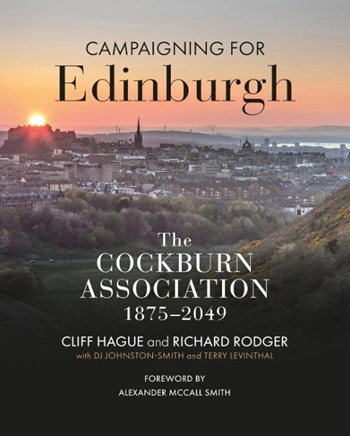
The role of the civic voice in protecting character. Book review.
CIOB photography competition is open for entries.
ECA Edmundson apprentice of the year award
Finalists announced.
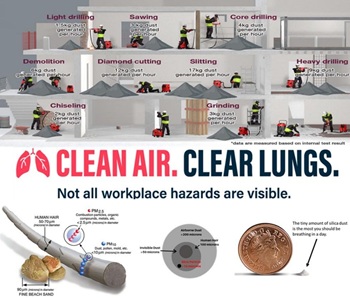
Major new study exposes serious knowledge gaps.
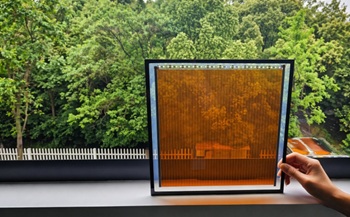
Generating energy from internal light as well as sunshine.

ECA welcomes plans to strengthen subcontractor quality control.
Combining mid-career qualifications with experience broadens career opportunities.

Why being a mentor can help your career.

Channel 4 broadcaster to host 125th anniversary ceremony.
Listed structures on the rail network
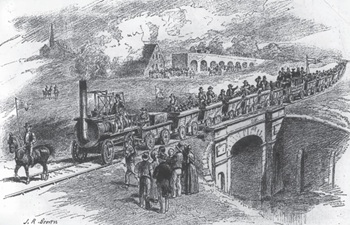
Heritage interests and operational requirements must be balanced.
Historic England publishes research into embodied carbon when retrofitting traditional buildings.
New Prime Minister delivers on ECA call for cut in electricity costs.